From TV Screens to Patreon Dreams: Which Aussie Celebs Are Actually Killing It on Their Own Platforms?
There's a certain kind of Aussie celebrity move that's become deeply familiar: the network contract dries up, the press releases slow down, and then — boom — a shiny new YouTube channel appears with a thumbnail that screams "I'm still relevant, I promise." Sometimes it works spectacularly. Sometimes it's... look, let's just say some of these channels have more tumbleweeds than subscribers.
But here's the thing: the Australian independent content scene has quietly become one of the most interesting corners of the internet. A handful of local names have genuinely cracked the code, building loyal audiences on their own terms without a Channel Nine executive breathing down their neck. Others have treated "going independent" like a gap year — exciting in theory, completely unstructured in practice.
We dug in. We watched the vlogs. We listened to the podcasts. We even subscribed to a few Patreons so you absolutely don't have to. Here's the honest breakdown.
The Ones Who Actually Get It
Let's start with the good news, because there absolutely is some.
The most successful Aussie celebrity-to-creator transitions share a common thread: they stopped trying to replicate what they did on television and leaned hard into what the internet actually rewards — specificity, consistency, and the willingness to be a little bit unhinged.
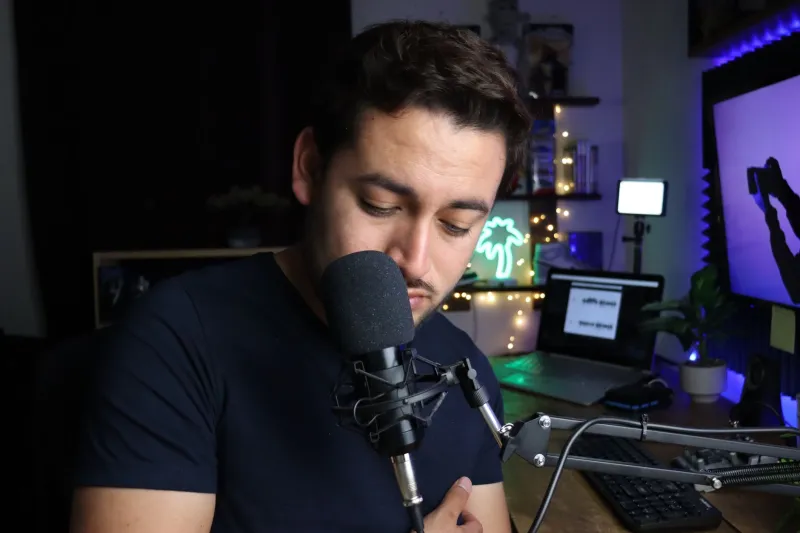
Podcasting has been the real sweet spot for former TV personalities. The format suits the Aussie conversational style like a meat pie suits a cold footy afternoon. Long-form, relaxed, genuinely funny — when it works, it works brilliantly. Former reality TV contestants who pivoted to weekly podcasts with genuine personality and zero corporate filter have found audiences that their old networks could only dream of monetising. The key? They stopped performing "celebrity" and started just... talking like actual humans.
YouTube has been trickier. The platform rewards consistency above almost everything else, and consistency is not historically the strong suit of someone used to a production team handling their schedule. The Aussie creators who've made it work are the ones treating their channels like a second job — uploading regularly, engaging in the comments, and accepting that their first fifty videos might be a bit rough around the edges.
The Nostalgia Cashers (We See You)
Okay, here's where it gets a little uncomfortable, because some of what's being sold as "independent content" is basically just a highlight reel of past glories with a Patreon link slapped on the end.
There's a particular flavour of Aussie celebrity Patreon that goes something like: "For $15 a month, get exclusive access to behind-the-scenes content from [show that ended six years ago] and monthly Q&As where I answer questions about [that one viral moment from 2017]." It's not a content strategy. It's a museum membership.
The tell-tale signs are easy to spot. Irregular upload schedules. Video thumbnails that lean heavily on old professional photos rather than anything actually filmed recently. Podcast episodes that are essentially extended reminiscing sessions with no new insight. These creators aren't building something — they're slowly selling off the furniture.
To be fair, nostalgia content has a market. People absolutely will pay for connection to something they loved. But there's a meaningful difference between building a community around a shared history and just... cashing cheques until the audience gets bored.
The Surprising Overachievers
Perhaps the most genuinely exciting category is the one nobody predicted: the Aussie celebrities who disappeared from mainstream media, seemed to vanish entirely, and then resurfaced on independent platforms doing something completely unexpected — and absolutely nailing it.
A few former breakfast TV personalities have reinvented themselves as surprisingly sharp interview podcasters, minus the forced cheerfulness of the 7am time slot. Some musicians who struggled to get radio play have found massive Patreon communities built around their songwriting process rather than the finished product. A handful of former reality contestants have become legitimately compelling documentary-style YouTubers, turning their own chaotic lives into genuinely watchable content.
The internet, it turns out, has a lot more patience for the messy, unpolished version of a person than a network ever did.
What the Platform Actually Demands
Here's the part that most celebrity-to-creator transitions underestimate: independent platforms are not passive income. They are relentless, algorithm-driven machines that reward people who treat content creation like a craft rather than a side hustle.
YouTube's algorithm is notoriously indifferent to your previous career. It doesn't care that you won a Logie. It cares whether people clicked, watched, and came back. Patreon rewards creators who make their subscribers feel genuinely seen and valued — not just like they're funding a lifestyle. Podcasting is a long game that takes months to build meaningful listenership, no matter how famous you were before you started.
The Aussie celebs who've cracked it seem to understand this intuitively. They show up. They iterate. They respond to feedback. They treat their audience like collaborators rather than consumers.
The Verdict
The great Aussie celebrity platform experiment is still very much ongoing, and the results are genuinely mixed — which makes it fascinating to watch. For every success story, there's a YouTube channel frozen in time like a digital Miss Havisham, wedding cake and all.
But the ones who are genuinely thriving? They're doing something more interesting than anything they were doing on network television. And that, honestly, is the whole point.
If you're going to bet on anyone, bet on the ones who seem like they'd be making content even if nobody was watching. Because those are the ones who'll still be at it in five years — and those are the ones worth subscribing to.