Villains, Victims, or Victims of Good Editing? We Ranked Aussie Reality TV's Most Iconic Troublemakers
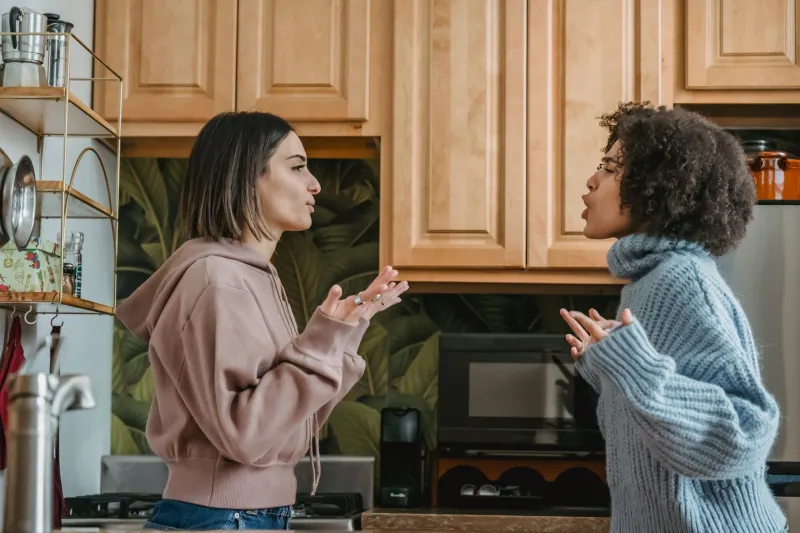
Let's be honest with ourselves for a second. Every Sunday night, millions of Australians pour a glass of something cold, settle into the couch, and absolutely devour watching someone on television behave in ways that would get them uninvited from every barbecue in the country. We love it. We hate that we love it. We keep watching.
Australian reality TV has produced some of the most deliciously chaotic personalities to ever grace a screen — people who made us yell at our TVs, screenshot their worst moments, and then, somewhere around episode six, quietly start rooting for their redemption arc. So we've done the work. We've rewatched the dinner party blow-ups, the recoupling speeches, the commitment ceremonies from hell. Here is the definitive — and we mean definitive — ranking of Aussie reality TV's most iconic troublemakers.
Spoiler: almost none of them are actually villains.
The Methodology (Yes, We Have One)
We're not just throwing names at a wall here. Each person on this list has been assessed across three key categories: Chaos Delivered, Actual Harm Done, and Redemption Arc Potential. We also trawled through social media — because the court of Instagram comments never lies — and spoke to a few former contestants who'd rather remain unnamed but were very generous with their opinions over DMs.
One former MAFS participant (Season 9, won't say who) put it perfectly: "The show needs a villain. If you've got a strong personality and you're not going to cry on cue, they'll make you the villain. It's just maths."
So. Let's get into it.
Tier One: The Legends of Chaos
The MAFS Dinner Party Instigators
If you've watched even one season of Married at First Sight, you know the dinner party is less a social gathering and more a controlled explosion. The show has produced an almost unfair number of people who seem to arrive at these events with a prepared list of grievances and zero interest in de-escalation.
The thing is — and this is important — the people who get cast as villains in these scenes are almost always the ones who say what everyone else is thinking. The actual harm? Usually minimal. The television value? Immeasurable. One franchise regular told us: "Half of what you see at those dinners was brewing for three days. The cameras just happened to catch the five minutes it boiled over."
Verdict: Chaotic good, not chaotic evil.
The Love Island Recoupling Merchants
Love Island Australia has given us some genuinely spectacular acts of emotional disruption disguised as "following my heart." The classic move — recoupling with someone else's partner while maintaining total eye contact with the person you're dumping — requires a specific kind of brass neck that deserves, if not respect, then at least acknowledgement.
But again: is it villainy? These are people in their twenties, sleep-deprived, under lights, being asked to make romantic decisions on camera. The fact that any of them remain coherent is a miracle. The ones who lean into the drama are usually just the ones comfortable enough with themselves to not pretend the situation is normal. Because it isn't.
Tier Two: The Misunderstood
The Bachelor/Bachelorette "Threats"
Every season of The Bachelor Australia has that one contestant who the others decide, usually by episode three, is "not here for the right reasons." This person then gets approximately forty percent of the episode's airtime, all of it framed ominously.
Here's the thing: being strategic in a competition show isn't villainy. It's competing. The contestants who get labelled manipulative are often just the ones who understood the assignment better than everyone else. Whether that's admirable or unsettling probably says more about the viewer than the contestant.
Several former Bachelor contestants have gone on to build genuinely impressive careers — podcasts, wellness brands, legitimate media presences — and they've done it partly because of the villain edit, not despite it. Australians, it turns out, respect someone who can take a hit and come back swinging.
Tier Three: The Actually Complicated Ones
This is where it gets interesting. Because every few seasons, a reality show produces someone who doesn't fit neatly into either the villain or the victim box. They're provocative, yes. They say things that make you wince. But they're also often the most honest person in the room, which is deeply uncomfortable in a format built on performance.
These are the contestants who end up with the most complex legacies — pilloried during their season, then quietly rehabilitated by the internet over the following eighteen months as people go back and rewatch with fresh eyes. The parasocial relationship Australians have with their reality TV personalities is genuinely unlike anything else in the world. We'll cancel you on a Tuesday and start a fan account by Thursday.
So Who's Actually the Worst?
Honestly? The format. The format is the villain.
Not in a boring, academic way — but practically speaking, the structure of these shows requires conflict to function. Producers need tension. Editors need an arc. And the easiest arc to construct is the one with a clear bad guy. The people who end up in that role are often the ones who were simply more themselves than everyone else around them — louder, more direct, less interested in playing nice for the cameras.
That's not a defence of genuinely bad behaviour. Some moments across these shows have been legitimately uncomfortable, and a few contestants have faced real-world consequences that went well beyond what any TV edit could justify. But the vast majority of Aussie reality TV "villains"? They're entertainers, whether they signed up to be or not.
And we, the audience, are absolutely complicit. We watch. We clip. We post. We share the drama to our group chats at 10pm on a Wednesday. We are all, in some small way, the villain of this particular story.
The Real Ranking
After all of that, here's our definitive top five, ranked by the gap between how they were portrayed and who they actually seem to be:
- The dinner party agitator who just wanted accountability — misunderstood, every time.
- The recoupler who "followed their heart" — chaotic, but honest.
- The Bachelor contestant labelled "strategic" — literally just playing the game.
- The Islander who "stirred the pot" — often the only one saying anything real.
- The one who production clearly loved — you know the one. The edit doesn't lie about everything.
Season after season, Australians tune in, pick their villains, drag them on social media, and then — quietly, inevitably — start to wonder if maybe they were just the most interesting person in the room all along.
That's the real twist. It always has been.